A Thumbs-Up Emoji Could Be Driving Your Friends Crazy!
If you’ve ever sent a quick thumbs up and thought nothing of it, you might want to rethink your emoji game.
A survey from Perspectus Global is shining a light on how people really feel about emojis, and the results suggest that some of our most commonly used icons may be coming across very differently than intended.
According to the survey, 75% of people say certain emojis actually annoy them. And leading the charge? The simple thumbs up.
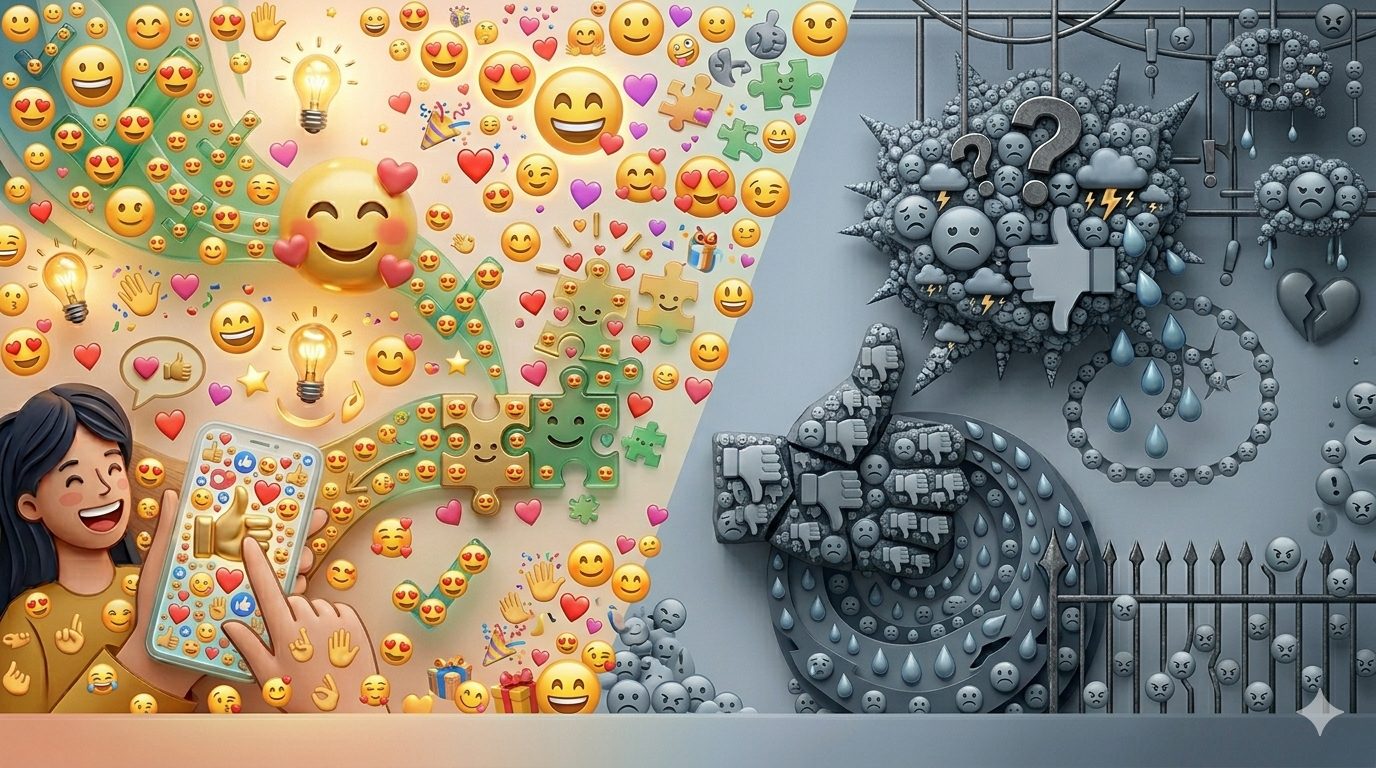
About 22% of respondents named the thumbs up emoji as the most irritating of them all. What’s meant to signal agreement or acknowledgment is increasingly being interpreted as dismissive, lazy, or even passive-aggressive.
And that passive-aggressive perception is a big theme throughout the data. In fact, 57% of people believe emojis are often used in a passive-aggressive way. That quick reaction instead of a real response can leave the other person guessing about tone, and not in a good way.
Half of those surveyed said they’re specifically tired of receiving a single thumbs up instead of an actual reply. It’s the digital equivalent of a conversation ender, especially in situations where a response might be expected.
The heart emoji isn’t escaping criticism either. While it’s often used to show appreciation or support, 66% of people said it feels insufficient as a response on its own. In other words, sending a heart without words can come across as minimal effort rather than meaningful engagement.
So what does this mean for everyday communication?
As messaging continues to replace face-to-face conversation, small details, like emojis, carry more weight than ever. Without tone of voice or facial expressions, people are reading between the lines… and sometimes misreading entirely.
The takeaway: emojis aren’t going anywhere, but how they’re used matters. A quick symbol might save time, but it can also send the wrong message.
So next time you’re about to tap that thumbs up, it might be worth adding a few actual words instead.
Source: Read more about the emoji survey findings here